Confirm safe access
Ask the fire service or responsible authority whether re-entry is permitted and what restrictions apply. A fire being extinguished does not, by itself, establish that a building is safe to occupy.
Read the after-fire guide → HAUSEFire recovery
Understand the first steps, the work your home may need, and the questions to ask before cleanup and rebuilding begin.
Practical Canadian guidance from HAUSE. Move through recovery one decision at a time.
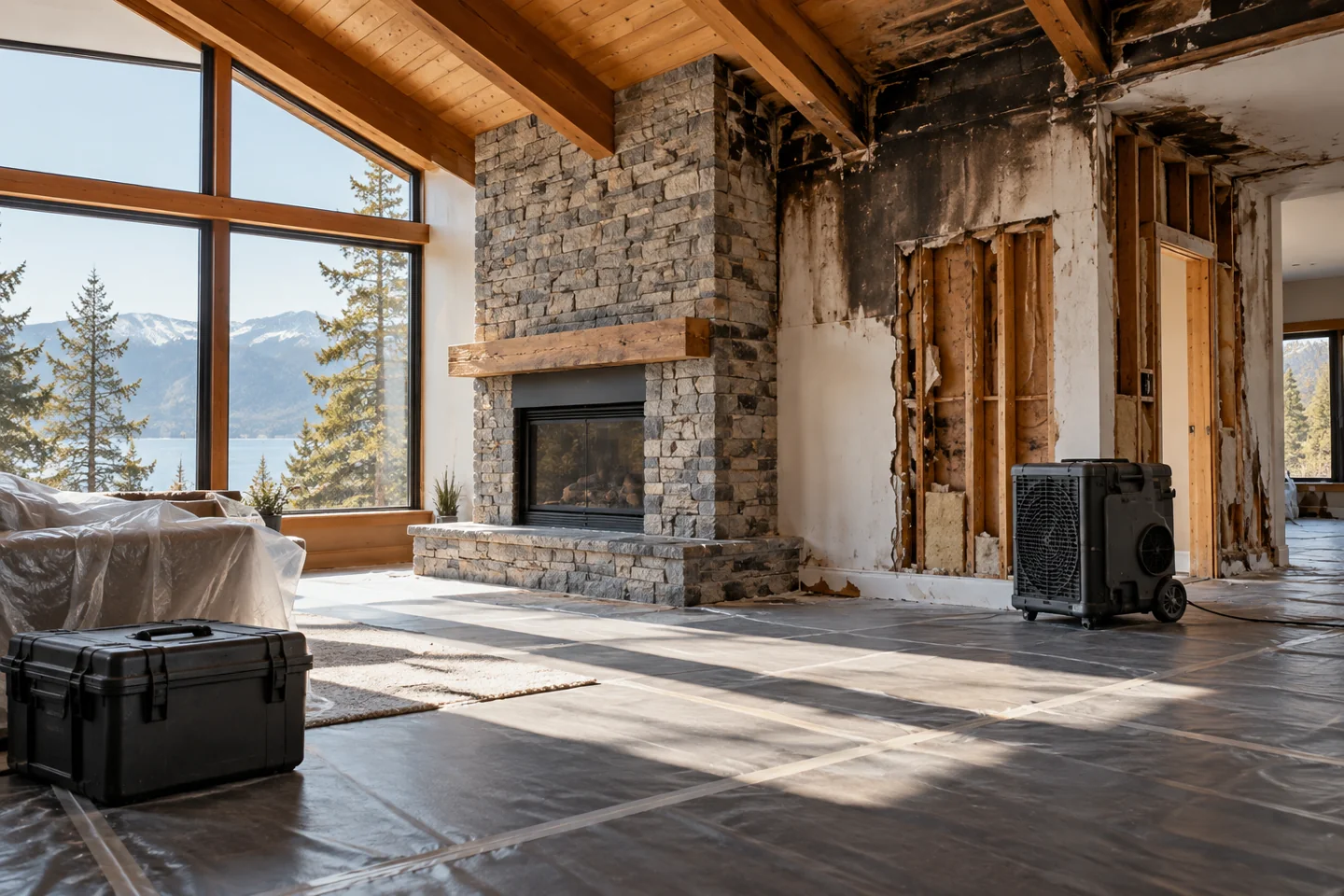
You do not need a complete restoration plan today. Establish what is safe, who is responsible, and what needs attention first.
Ask the fire service or responsible authority whether re-entry is permitted and what restrictions apply. A fire being extinguished does not, by itself, establish that a building is safe to occupy.
Read the after-fire guide →Make a plan for somewhere to stay, medications, clothing, food, pets and urgent family needs. Keep related receipts. Ask your insurer which temporary living costs may be covered and what approval it needs.
Understand the claims process →Ask which parts of the property can be accessed, who will assess structure and utilities, and what must happen before cleaning or repairs. Record the responsible person's name and the next action.
Explore fire-damage assessment →Safety and return-home guidance: Canadian Red Cross · Claims process: Insurance Bureau of Canada
A useful proposal separates each workstream. It should explain what is affected, what will be done, how the result will be checked, and what is excluded.
Ask the assessor to identify the affected rooms, surfaces, concealed areas and contents. The proposed process should distinguish removal, cleaning and replacement, and explain how remaining odour or contamination concerns will be evaluated.
Smoke and soot questions →Ask where firefighting water travelled, which materials need assessment, and how drying progress will be recorded. Request a clear explanation of the evidence used before walls, ceilings or floors are closed again.
Water-damage planning →Separate initial access permission from the inspections, trade assessments and approvals needed for repairs and occupancy. Ask who coordinates each stage and how unexpected concealed damage will change the scope.
Plan the restoration sequence →Build a room-by-room inventory when it is safe and permitted. Agree on labelling, photographs, storage, cleaning decisions and disposal authorization so you can trace what happened to each important item.
Open the recovery tools →Record entry restrictions, essential needs and the authority or professional responsible for the next decision.
Request a written scope, supporting photographs, open questions and any further inspection required.
Check the contract, insurer instructions, exclusions, change process and who can approve each expense.
Keep inspection records, drying or cleaning documentation, warranties and a written list of outstanding work.
This is an organizing framework. Your property's assessment and the responsible authorities determine the actual sequence.
Use a folder, notebook or shared document with a dated contact log. Give each action an owner and a next step. This helps when an adjuster, contractor and family member need the same update.
Our recovery tools help organize assessment questions, contents and financial planning. You can prepare a record, review your details and choose whether to send an enquiry to HAUSE.
Explore recovery toolsTake breaks and ask someone you trust to help with calls and paperwork. Our support guide includes further resources.
Use the full library for damage assessment, insurance, smoke, water, wildfire recovery and emotional support. Local requirements and availability should be confirmed for your property.
Ask the responsible authority first. If access is allowed, follow its restrictions and instructions. Explain which essentials you need and ask whether an escort or another arrangement is required. Do not use a website checklist as permission to enter.
Ask what is urgent, what has been assessed and which parts remain provisional. Before authorizing work, understand the scope, price basis, exclusions, insurer instructions and change process. Keep copies of what you approve.
No. The form sends your details to HAUSE intake. Availability, the provider, timing and any contract are confirmed separately. Use emergency services for immediate danger.
Yes. You can organize contacts, safe-access instructions, your questions and expense records while waiting for the insurer's direction. Coverage and reimbursement depend on your policy and claim; ask your insurer before assuming an expense is covered.
Include your city, the type of damage, access restrictions and the decision you need help with. Review your enquiry before sending it.